Brixton House Clearance in Brixton

Brixton House Clearance provides a practical house clearance service in Brixton for homes that need to be emptied in a careful, organised way. The work can cover a single room, a whole property, or specific items that need removing before a sale, tenancy change, refurbishment or family decision. We handle domestic clearances with attention to the layout of the property, the access available and the kind of items that need to go, so the job stays manageable from the first visit to the final sweep-through.
Our main service is designed for people who want a clear process and a straightforward outcome. We remove furniture, white goods, general household contents and other unwanted items as part of a wider house clearance service, while keeping the focus on what is actually needed in the property. That may mean clearing a living room after a downsizing move, an upstairs bedroom that has become difficult to use, or a property that needs to be made ready for its next stage without unnecessary delay.
If you need a quotation, start with a simple description of the property and the items to be cleared, and we can discuss the most suitable approach. For quicker planning, use a concise inventory where possible and mention anything bulky, fragile or difficult to move. You can also request a price for a partial clearance rather than a full clearance when that is the better fit. Tell us what needs to stay and what needs to go.
Domestic clearance work for different property types
House clearance needs vary considerably between properties, so the service is built around the actual contents and access rather than a fixed script. A family home may involve furniture, boxed belongings and general household items; a smaller flat may need more careful handling in narrow hallways or upper-floor access; a rented property may need only selected rooms cleared before handover. The key is to remove the unwanted items while leaving behind the belongings that still matter.
We can support clear-outs where the contents are mixed and need sorting as well as removal. That might include items that are ready to leave the property, objects that need separating for reuse or recycling, and items that are no longer required after a move or bereavement. The purpose is not simply to take things away, but to carry out a tidy, controlled clearance that suits the home and the timetable.
For a simple start, you can plan the rooms first and decide which areas are part of the job. If you are comparing options, our service pages can help explain the scope of different clearance types, including home clearance and flat clearance, which are both useful when the property type affects how the work is approached. A brief call or message with the room count and item types is usually enough to begin a quotation.
Furniture removal and disposal options

Many clearances are driven by bulky furniture rather than the entire contents of the home. Sofas, wardrobes, beds, tables, cabinets and similar pieces can be awkward to move, especially when they have to pass through stairs, narrow landings or tight front entrances. Our furniture clearance and furniture disposal work is aimed at taking those larger items out in a controlled way so the rest of the room can be dealt with more easily.
Where the job involves a few key items, we can focus on the pieces that are taking up the most space or are simply no longer needed. In some cases the rest of the room remains in place, which helps keep the clearance efficient and avoids unnecessary disturbance. If the work involves a full room, the furniture can be removed alongside smaller contents as part of the same visit, provided the scope is agreed clearly in advance.
Choose the type of clearance you need rather than trying to list every object in perfect detail. If the main issue is the furniture itself, the relevant service pages include furniture clearance and furniture disposal, which describe this part of the work in more focused terms. One good photograph set can help with planning, but a short written outline is equally useful when the items are straightforward.
Rooms, storage spaces and hard-to-reach areas
Some clearances are not about the whole house, but about one space that has become crowded over time. Lofts, garages and similar storage areas often collect mixed household items, old boxes, broken goods and furniture that no longer has a clear place in the home. These jobs need care because the items may be stacked, awkwardly packed or difficult to reach without a sensible plan for moving them out safely.
We can carry out clearance work in individual areas where the rest of the property is staying in use. That is often helpful when a loft needs to be emptied before insulation work, or when a garage must be cleared to regain storage and parking space. The same approach also works when a room has simply become overfull and needs resetting with only a portion of the contents removed. Each job is assessed by what is present, not by a one-size-fits-all assumption.
Related service pages can be useful if you want to compare the type of room or contents involved. See loft clearance for attic spaces and garage clearance for storage and outbuilding work. Where garden areas are also part of the task, garden clearance gives a clearer picture of outdoor removals. If you are preparing a quotation, note access, floor level and anything that cannot be moved in the normal way.
House clearance for moving, downsizing and emptying properties

House clearance is often needed at turning points when a property changes use or occupancy. A move may leave behind furniture and belongings that are no longer required. Downsizing may create the need to separate what stays from what can be taken away. A property that is being prepared for new tenants or a sale may need a broader clear-out so that the space can be handed over in a tidy condition. The service is there to remove that burden in a practical way.
The exact scope depends on whether the work is a full property clearance or a partial one. Some customers only need selected rooms emptied; others want the whole house cleared apart from a few clearly identified items. In either case, the clearance is better when the intended outcome is defined at the start. That helps keep the work focused and avoids confusion about sentimental items, documents, keys, photographs or anything else that should be left in place.
If the job has several parts, keep the instruction order simple: what stays, what goes, and which rooms come first. You can also look at house clearance for a broader description of the service, or move straight to pricing and quotes if you are ready to request a figure. In either case, a clear description of the property type and contents helps the quotation process run smoothly.
Sorting, handling and responsible removal
Not every item in a clearance belongs in the same stream, so the work often includes basic sorting as well as lifting and loading. Reusable household items may be kept separate from items that need disposal, and recyclable materials may be identified where that is appropriate. The point is to deal with the contents in an organised way instead of treating every room as a single mixed load. That approach is especially useful when there is a variety of furniture, small household goods and storage contents.
Our clearance service can also accommodate jobs where the contents need to be handled with a bit more care than usual. Some items are simply awkward, while others are more delicate because they are old, heavy or stored in cramped conditions. A sensible plan helps avoid unnecessary disruption inside the property, and it means the clearance can be completed in a way that respects the home and the items being moved.
When you want to understand broader handling standards, recycling and sustainability outlines the disposal approach in more detail, and insurance and safety is useful if you want to read about the practical side of the work. These pages are helpful background, but the fastest way to get an accurate figure is still to describe the rooms and contents that make up your clearance.
What to include when requesting a quotation
A useful quotation request does not need to be long, but it should be specific enough to describe the size and type of job. Mention whether it is a full house clearance, partial room clearance or individual item removal, and say if the property contains bulky furniture, loft contents, garage storage or a mixture of household items. Access details also matter, especially where there are stairs, narrow entrances or limited parking close to the property.
If possible, give a simple overview of the rooms involved and the approximate volume of contents. That may be a single room with a few large items, or a larger home with several areas to be cleared. It is also useful to note whether there are items that must remain, because that helps avoid misunderstandings. A clear quotation is usually easier to prepare when the scope is defined in ordinary language rather than in guesswork.
Send the room list, the access details and any special instructions together. If you want to compare general cost information before you commit, pricing and quotes is the most direct page to review. Otherwise, a plain text request is enough: tell us what needs clearing in Brixton and we can help shape the next step.
About Brixton
Brixton is a district in south London within the London Borough of Lambeth, known for its mixture of residential streets, transport links and strongly established cultural identity. The area grew significantly in the nineteenth century, especially after the arrival of railway connections, and much of the surrounding street pattern still reflects that period of expansion. Brixton Road and the nearby network of routes created a busy urban centre, while later development added rows of Victorian and Edwardian housing that remain part of the local character today. The district is closely associated with Brixton Market, a long-running collection of markets and shopping streets that evolved around Atlantic Road and Electric Avenue, both of which are widely recognised landmarks in the area. Electric Avenue is notable for being one of the earliest market streets in London to be lit by electric light, giving the name a lasting place in the history of the district. Brixton also has important green spaces nearby, including Brockwell Park to the south-east, a large public park with open land, mature trees and broad views across the surrounding neighbourhoods. The area’s cultural life is reflected in places such as the Ritzy cinema and the various music, food and community venues that contribute to its busy daytime and evening atmosphere. Brixton station on the Victoria line and National Rail services has long made the district a significant transport hub, linking the area closely with central London and neighbouring parts of the borough. Across the wider district, architectural variety is part of the appeal: high streets, market buildings, terraced homes and later commercial premises sit alongside newer redevelopment, creating a layered urban landscape that has changed over time without losing its distinct identity.
Clearance support for larger or more complex jobs
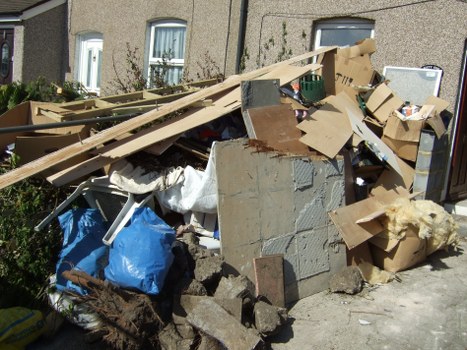
Some clearances need extra attention because of the number of rooms involved, the amount of furniture in place or the way the property is laid out. Larger homes may include lofts, garages, cellars and outbuildings, while smaller homes can still present challenges if the contents have built up over time. Our service can be matched to the size of the job so the work remains orderly, whether it is a straightforward room clear-out or a wider property clearance with several parts.
Where different spaces are involved, it helps to separate the job into sensible sections. That might mean dealing with storage first, then bedrooms, then heavier communal rooms, or any other sequence that suits the property. The aim is to avoid moving things twice or creating clutter in another area. We keep the focus on useful removal work rather than turning the clearance into an unnecessary project for the customer.
When the job has a clear pattern, a short plan saves time: identify the spaces, the main items and the order. If you need a general overview of this kind of work, waste removal covers broader removal tasks, while builders waste clearance is the more relevant page for post-work debris. Those pages sit alongside the domestic services and can help you choose the right route before asking for a quotation.
Domestic items, office contents and mixed clearances
Although the main focus here is house clearance, some customers also need to deal with a mix of domestic and other contents that have ended up in the same property. That can happen when a spare room becomes a store for paperwork, office chairs, old equipment or household furniture, or when a small home workspace has been folded back into the rest of the property. In those situations, it helps to describe the items accurately so the clearance can be planned sensibly.
The most important thing is to match the clearance to the actual contents rather than the label on the room. An office chair in a bedroom still needs moving carefully, and a household filing cabinet in a loft may need the same level of attention as any other large item. When the contents are mixed, we can still approach the job in a structured way, separating what goes from what stays and keeping the flow of the work clear throughout.
If the property contains work-related items as well as domestic ones, office clearance is useful background, while business waste removal gives a broader view of non-domestic removal work. You do not need to overcomplicate the enquiry; a simple note that the clearance includes mixed items is enough to begin. Ask for a quotation once you know the room count and item types.
Preparing the property and arranging the visit

Two practical steps make most clearances easier. First, identify anything that must stay in the property, especially documents, valuables, photographs and personal keepsakes. Second, make the route to the items as clear as is reasonably possible. That does not mean clearing the space yourself; it simply means making sure access points, stairways and key rooms are not blocked by avoidable obstacles. These small steps help the clearance proceed in a tidy, controlled way.
It is also sensible to think about timing and access before the job begins. If there are restrictions on parking, lift use, entry times or key collection, mention them in advance so the clearance can be planned properly. For many customers the process is straightforward: describe the property, identify the rooms or items to be cleared, and agree the practical details. That keeps the focus on the removal work itself rather than on avoidable delays.
If you are ready to make the next step, use the contact route that suits you and request a quote in plain language. You can also review contact us when you are ready to discuss the job directly. Tell us what needs clearing in Brixton today.